



La Porte Chrysler Dodge Jeep RAM

Blog / Laporte, Chrysler Dealer

Blog

All Laporte, Chrysler Dealer New Inventory News Finance Pre-Owned Inventory Green Service Laporte, Chrysler Service Technology La Porte Chrysler Inc. Service Social People Parts Brake Inspections Oil Changes Rental The trade-in 2026 Dodge Charger 2026 Dodge Charger Inventory Jeep Laporte, Used Cars RAM Maintenance Ram Truck routine maintenance Schedule your next service appointment Testimonials used car Video
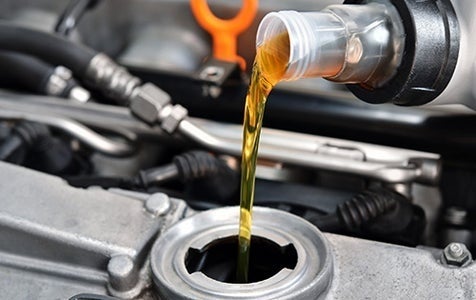
Close-up of fresh engine oil being poured into a vehicle engine during a routine oil change service.

Dodge Maintenance Tips for Peak Performance

Owning a Dodge means you have a vehicle built for performance—but even the most powerful machines need regular care to stay in peak form. Whether you drive a Charger or a Durango, staying on top of your Dodge’s maintenance schedule is one of the smartest things you can do to protect your investment and keep your ride feeling strong to cruise around La Porte, Indiana. Why Regular Maintenance Matters for Performance Vehicles Dodge vehicles are precision-engineered for high performance, and that means they work hard under the hood. The kind of output they provide puts real demands on your engine, brakes, and fluids. Skipping routine Dodge maintenance might seem harmless at first, and nobody wants to fit it into their schedules, but small issues can quietly become costly repairs over time—and that’s a real time-suck too. Staying consistent with your service schedule helps you catch wear before it becomes a problem, extends the life of your vehicle, and keeps your performance at its peak. This is especially true for high-output trims like the Scat Pack, which push components harder than a standard daily driver. Don’t let your high-performance vehicle become just a regular car because you didn’t want to waste your lunch break. Oil Changes: The Foundation of Engine Health One of the most important parts of Dodge maintenance is keeping up with your oil changes. Fresh oil keeps your engine lubricated, reduces heat, and prevents buildup that can wear down internal components. Depending on your model and driving habits, you may need an oil change every 5,000 to 7,500 miles—or it may be more if you really rip it up on the road or off the road. Using the correct oil type for your specific Dodge engine matters just as much as the frequency. Always refer to your owner's manual or ask a certified technician to confirm what your vehicle requires. Staying current on oil changes is one of the simplest and most cost-effective ways to protect your engine over the long haul. Brake Inspections: Stopping Power, You Can Count on If your Dodge is built to go fast, it also needs to stop reliably. Brake inspections should be part of your regular Dodge maintenance routine—they’re critical to performance in addition to safety. Longer stopping times, squishy pedal feel, pulling to one side, grinding…all these symptoms compromise your ride enjoyment. Don’t let it get there. Over time, brake pads naturally wear down, and rotors can develop uneven surfaces, so of course that reduces stopping power, creating unsafe driving conditions. Getting your brakes checked regularly—especially if you drive aggressively or haul heavy loads in a Durango—keeps you and everyone around you safer on the road and lets you really enjoy what your high-performance vehicle was built for. Both oil changes and brake service are foundational maintenance items that should never be overlooked. Additional Maintenance Checks to Stay Ahead Beyond oil changes and brakes, a complete Dodge maintenance plan should include tire rotations, fluid top-offs, air filter replacements, and battery inspections. Rotating your tires helps them wear evenly and extends their lifespan. Checking transmission fluid, coolant, and brake fluid ensures every system is working the way it should. Your Dodge may also benefit from periodic inspections of belts and hoses, which can crack or weaken over time. These are easy to overlook but play an important role in keeping your engine running smoothly. Again, these are high-performance vehicles, and that means heavy-duty usage. Before you have to take a sick day to spend at the shop, take the time to schedule your maintenance in and save yourself the headache. We Want to Help at La Porte CDJR Taking care of your Dodge through consistent maintenance means it will take care of you every time you hit the road. From oil changes to brake inspections and beyond, staying on schedule protects your performance, your safety, and the long-term value of your vehicle. Drivers in La Porte, IN can visit La Porte CDJR at (https://www.laportechrysler.net/) to schedule Dodge maintenance with a team that knows these vehicles inside and out.

Orange Dodge Charger muscle car parked on pavement, showcasing its bold coupe design and performance-inspired styling.

What Makes the 2026 Dodge Charger Worth Your Attention

The 2026 Dodge Charger is turning heads for all the right reasons. If you're a longtime fan of American muscle cars or simply looking for a vehicle that delivers serious performance, this latest Charger brings something compelling to the table. Drivers in La Porte, IN, have a lot to look forward to with this model. The Charger Comes in Two Distinct Body Styles One of the most interesting things about the 2026 Dodge Charger is that it's available in both a 2-door and a 4-door configuration. That means you don't have to sacrifice practicality to get the performance and style you want. Both body styles carry the same bold Dodge DNA, so the experience feels consistent no matter which you choose. The features available across both configurations make this a versatile option for a wide range of drivers. Scat Pack Performance That Makes a Statement If you're drawn to the Scat Pack trim, you'll find it hard to ignore the numbers. The Charger Scat Pack Twin-Turbo delivers 550 hp and 531 lb-ft of torque, which is a serious figure for any vehicle in this segment. The 2026 Dodge Charger Scat Pack is built for drivers who want to feel every bit of that output behind the wheel. The features on this trim are designed to complement that power, not just sit alongside it. Electric Performance Is Also Part of the Lineup Dodge has expanded what the 2026 Dodge Charger can be by introducing an electrified version as well. The Charger Daytona Scat Pack delivers impressive torque and acceleration (670 hp, 627 lb-ft of torque) that feels instantaneous - something combustion engines alone can't replicate. This is a meaningful evolution for the brand while still staying true to the performance-first identity Dodge has built over decades. It's a fresh direction without abandoning what made the Charger iconic in the first place. Ownership Perks That Add Real Value New owners of the 2026 Dodge Charger Scat Pack and Charger Daytona Scat Pack are eligible for a complimentary high-performance driving experience at Radford Racing School. This gives you a chance to explore the full capabilities of your vehicle in a safe, controlled environment. For buyers who want to truly connect with what their Charger can do, this is a standout benefit. Customize and Upgrade With Direct Connection Dodge also offers a lineup of factory-backed performance parts through its Direct Connection program. These parts are designed and validated by SRT Engineering, so you can upgrade your 2026 Dodge Charger without voiding your warranty. Whether you want to push performance further or add a personal touch, Direct Connection gives you a reliable path to do exactly that. Find the 2026 Dodge Charger Near You The 2026 Dodge Charger is a well-rounded performance vehicle that fits more buyers than you might expect. From the twin-turbo Scat Pack to the electric Daytona, there's a version of the Charger for nearly every type of driver. If you're ready to explore your options, come and and meet the Charger experts at La Porte CDJR, serving drivers throughout La Porte, IN, to find the right Charger for you.

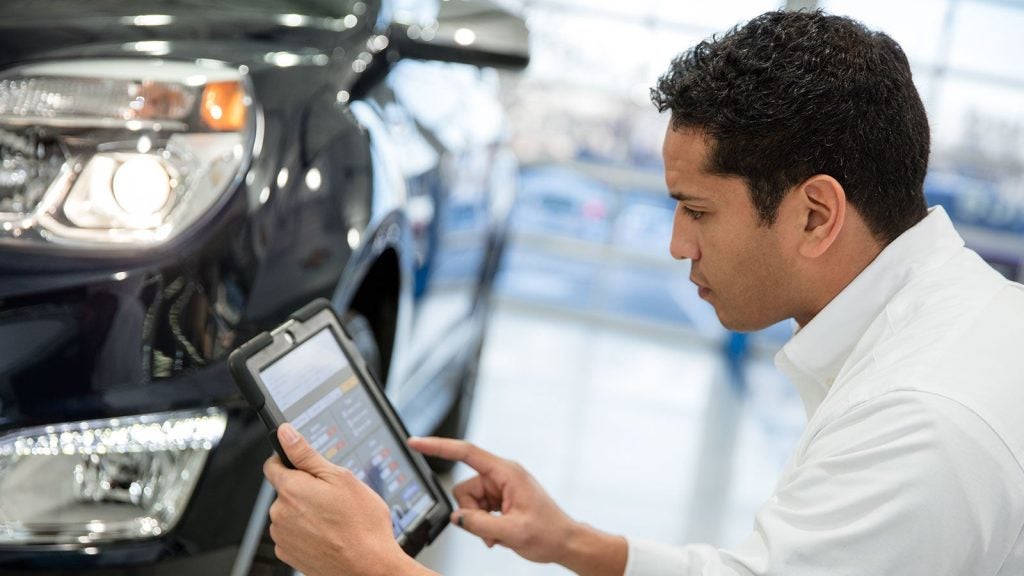
Service technician using a diagnostic tablet to inspect a vehicle in a professional automotive service center.

Chrysler Maintenance Tips Every Driver in La Porte Should Know

Keeping up with maintenance on your Chrysler may take a little time here and there, and it may take a little out of your pocket—but it’s far less taxing and time-consuming than what can happen if you don’t. One of the best things you can do to protect your vehicle and avoid costly repairs and aggravation down the road is to stay on top of routine maintenance. Whether you drive a daily commuter around La Porte, Indiana, or a weekend workhorse, staying on a consistent service schedule makes a real difference in how your vehicle performs and how long it lasts. Why Regular Chrysler Maintenance Matters Routine Chrysler maintenance is about more than just keeping your car running—it's about keeping it running well. Skipping scheduled services can lead to bigger mechanical issues that are far more expensive to fix. Not to mention, a well-maintained vehicle also retains more of its value over time, which matters whether you plan to trade it in or keep it for years. From checking fluid levels to inspecting wear items, every visit to a service center helps catch small problems before they become serious ones. Oil Changes Keep Your Engine Protected One of the most important parts of Chrysler maintenance is staying current with oil changes. Fresh oil keeps your engine's moving parts properly lubricated, reduces heat buildup, and helps prevent premature wear. Over time, oil breaks down and loses its effectiveness, which can put real stress on your engine. Most Chrysler vehicles recommend an oil change every 5,000 to 7,500 miles, depending on driving conditions and the type of oil used. But if you do a lot of stop-and-go driving or short trips, you may need oil changes more frequently. Don't Overlook Your Brakes They’re the most critical safety system on your vehicle, and their constant use means they wear down gradually over time. It's important to have your brakes inspected regularly before wear affects them noticeably. Signs that your brakes may need attention include squealing or grinding noises, a soft or spongy brake pedal, or the vehicle pulling to one side when stopping. Brake pads typically need replacement every 30,000 to 70,000 miles, but that range can vary based on your driving habits. Getting your brakes checked during routine service visits is a simple way to stay safe on the road. Other Services to Keep on Your Radar Beyond oil changes and brakes, there are several other Chrysler maintenance items worth monitoring, many of which can be done all at once, like air filters, coolant levels, and transmission fluid checks. Tires should be given a penny test for tread depth now and again and monitor your tire pressure even if your TPMS light hasn’t blinked on—maybe then it won’t. With Indiana’s changing seasons and extreme weather occasionally, getting tired rotations regularly can help ensure even tread wear. You want that confident grip without having to worry about it, and rotations extend your tires’ life. Battery inspections are important as well, especially heading into colder months in La Porte, Indiana, where temperatures can take a toll on it. Generally, a battery lasts about 3 years, so if you’re nearing that, have it checked out. Keeping a record of your service history makes it easier to stay on schedule and gives technicians a clearer picture of your vehicle's overall health. Uncomplicate Your Chrysler Ownership with Routine Maintenance Staying on top of Chrysler maintenance doesn't have to be a drain on your schedule and wallet. By keeping up with essential services like oil changes and brakes, along with other routine inspections, you'll protect your investment and enjoy a safer, more reliable ride. Drivers in La Porte, Indiana, can count on the team at La Porte CDJR to help keep their vehicles in top shape. Stop by or schedule your next service appointment at laportechrysler.net.

Row of parked used cars lined up in a dealership lot.

What Are the Hidden Costs of Buying a Used Car?

Used vehicles present a standard financial option, but the initial sticker amount is rarely the complete total. If you are shopping for a pre-owned vehicle at La Porte CDJR in La Porte, IN, understanding the hidden costs of buying a used car can prevent unexpected expenses later. Before signing any documents, buyers should factor multiple variables into their total budget. Why the Sticker Amount Is Just the Starting Point The hidden costs of buying a used car often go unnoticed at the point of sale, because they are not immediately visible. Taxes, title fees, and registration costs can add significant expenses to your out-of-pocket costs immediately. Buyers must also consider the cost of insurance, which changes based on the vehicle's age, value, and safety rating. If you finance the vehicle, interest charges over the life of the loan increase the total payment amount. Maintenance Reserves and Budgeting Needs One of the most overlooked hidden costs of buying a used car is the ongoing maintenance reserve, which is money you set aside for routine upkeep. Unlike a new vehicle with a factory warranty covering most repairs, a used car leaves the buyer responsible from day 1. Oil changes, fluid flushes, air filters, and spark plugs are routine items that require regular attention. Expected Repairs Based on Age and Mileage A vehicle with 80,000 or more miles may approach the end of factory-recommended service intervals for major components, such as the timing belt, water pump, or transmission of fluid. Vehicles with over 100,000 miles routinely require replacement of suspension components, belts, hoses, and sensors. A pre-purchase inspection from a trusted technician provides a realistic picture of current and future vehicle needs. Tires and Brakes Are Common Overlooked Costs Tires and brakes are frequent hidden costs of buying a used car, as they are easily missed during a test drive. Replacing all 4 tires on a midsize SUV represents a considerable expense, which depends on the specific size and brand. Always request information regarding the remaining tread depth on the tires and the thickness of the brake pads before finalizing any used vehicle purchase. Browse Pre-Owned Inventory at La Porte CDJR Today Understanding the hidden costs of buying a used car requires thorough planning and research. Drivers throughout the area can find pre-owned vehicles at La Porte CDJR in La Porte, IN, where the staff provides information regarding vehicle specifications. Visit the dealership or check the website to view the current inventory and find a suitable vehicle.

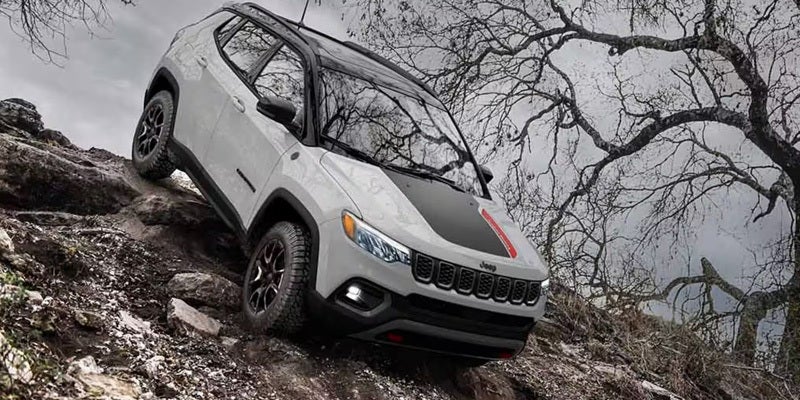
White Jeep Compass navigating a steep rocky off-road trail in rugged terrain.

Which New Jeep® Vehicles Are Some of the Least Expensive to Maintain?

When shopping for a new vehicle, most buyers focus on monthly payments, features, and capability. Those factors are important, but long-term maintenance costs deserve attention. Fortunately, many of today's Jeep® vehicles are designed with durability and everyday usability in mind. Choosing the right model can help keep routine maintenance predictable while still delivering the versatility and capability that attract buyers to the Jeep® brand in the first place. Smaller Jeep® Models Often Bring Lower Ownership Costs In general, compact SUVs tend to cost less to maintain than larger vehicles, and that trend carries into the Jeep® lineup. The Jeep® Compass is a good example. Powered by a Turbocharged 2.0L engine producing 200 hp and 221 lbs. ft. of torque, it delivers strong performance while keeping routine maintenance relatively straightforward. With seating for 5 and up to 59.8 cubic feet of cargo space, the Compass provides practical versatility without the complexity associated with larger SUVs. The Jeep® Renegade is no longer available as a new model, making the Compass the entry point for many buyers seeking manageable ownership costs combined with genuine Jeep® capability. The New Cherokee Finds the Middle Ground The 2026 Jeep® Cherokee gives buyers another compelling option. Positioned between the Compass and Grand Cherokee, the Cherokee is designed for drivers who want additional passenger room and cargo flexibility without moving into a larger midsize SUV. It delivers the utility many families need while maintaining the maneuverability and everyday practicality that make smaller crossovers attractive. For many buyers, the Cherokee represents a sweet spot within the lineup. It offers more space than the Compass while avoiding some of the size, weight, and ownership considerations associated with larger SUVs. That combination can make it one of the smartest long-term ownership choices in the Jeep® family. Grand Cherokee Balances Capability and Long-Term Value The Jeep® Grand Cherokee occupies a unique position in the lineup. It offers significantly more space than the Compass, including up to 70.8 cubic feet of cargo capacity, while maintaining a reputation as one of the brand's most versatile SUVs. The standard 3.6L Pentastar® V6 produces 293 hp and 260 lbs. ft. of torque, providing strong everyday performance and towing capability. A newly available 2.0L Hurricane 4 Turbo engine puts out 324 hp and 332 lbs. ft. of torque for added power. While maintenance costs are generally higher than those of a Compass, the Grand Cherokee often appeals to buyers looking for a balance of capability, comfort, and long-term durability. For many families, that combination justifies the additional ownership expense. Wrangler Ownership Is Different by Design The Jeep® Wrangler deserves its own category. Few vehicles can match its open-air driving experience and off-road capability, but buyers should understand that Wrangler ownership often looks different than ownership of a traditional crossover SUV. The 2026 Jeep® Wrangler offers multiple powertrain options, solid axle construction, removable doors, and advanced four-wheel-drive systems. Those features are a major part of its appeal, but they also create maintenance considerations that differ from more road-focused models. For buyers who genuinely plan to use a Wrangler's capability, those tradeoffs are often well worth it. Gladiator Offers Truck Utility with Jeep® Character The 2026 Jeep® Gladiator combines Wrangler capability with pickup-truck versatility. Powered by the proven 3.6L Pentastar® V6, the Gladiator delivers up to 7,700 lbs. of towing capability and up to 1,725 lbs. of payload capacity when properly equipped. Buyers who need both cargo-bed functionality and genuine off-road performance often find it difficult to replace. Like the Wrangler, maintenance costs depend heavily on usage. A Gladiator used primarily as a daily driver may have very different ownership costs than one that regularly sees trails, towing duties, or oversized tire upgrades. Routine Maintenance Still Determines Long-Term Costs No vehicle maintains itself. Regular oil changes, tire rotations, brake inspections, battery testing, and multi-point inspections remain the best way to control ownership costs regardless of which Jeep® you choose. Following factory maintenance schedules helps identify wear items early and supports long-term reliability. It can also help preserve resale value, something many buyers overlook when calculating total ownership costs. In many cases, consistent maintenance has a greater impact on long-term expenses than the specific model itself. Explore the Jeep® Lineup Near La Porte, IN The least expensive Jeep® vehicle to maintain depends largely on how you drive and what you expect from your SUV. For some buyers, the Compass delivers an ideal balance of affordability and practicality. Others may find the added space and capability of the Grand Cherokee better suits their needs. And for adventure-focused drivers, the Wrangler continues to stand in a class of its own.  Visit La Porte CDJR today, your local Jeep® dealership, to compare the lineup in person, explore available features, schedule a test drive, and find the model that delivers the right combination of capability, comfort, and long-term value.

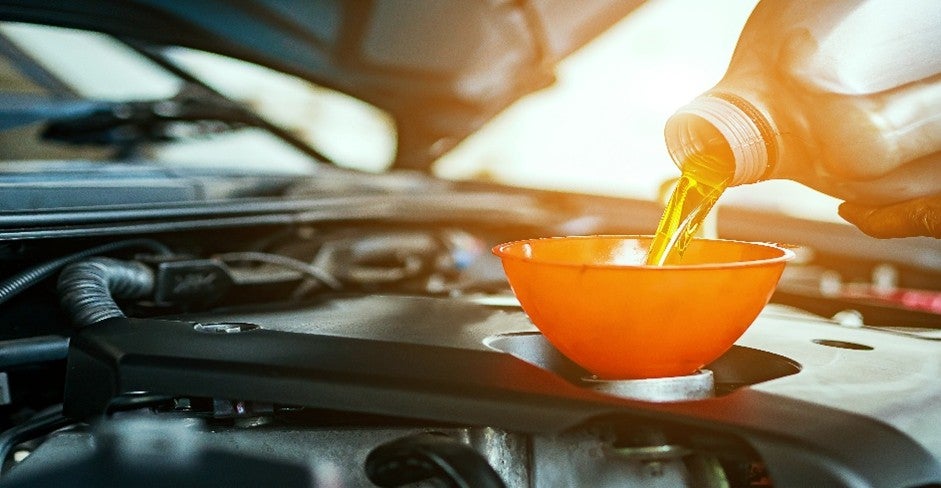
Motor oil being poured into a vehicle engine during a routine oil change service.

Oil Light On? Here's What You Should Do Right Away

When the oil light on your dashboard illuminates, you may feel anxiety. That warning light is your vehicle telling you something that needs immediate attention. Knowing what to do next can protect your engine from damage, and if you need assistance, the team at La Porte CDJR in La Porte, IN, is ready to help you. What the Oil Light Is Actually Telling You The oil light on your dash does not always mean your engine is out of oil. It typically signals that your engine oil pressure has dropped below a safe level. Low oil pressure can result from a number of causes, including low oil volume, a failing oil pump, or a clogged oil filter. Understanding the difference between an oil pressure warning and a low oil level warning can help you respond appropriately. Some vehicles have 2 separate indicators, which feature 1 for oil pressure and 1 for oil level. When that oil light on your instrument cluster comes on, you should treat it urgently. Step 1 Pull Over Safely and Turn Off the Engine The moment you notice your oil light while driving, find a safe place to pull off the road as quickly as possible. Do not continue driving, even for a short distance. Running an engine with low oil pressure, even briefly, can cause internal damage that leads to expensive repairs or a complete engine replacement. Once you stop safely, turn off the engine, and let it sit for a few minutes before opening the engine compartment. Step 2 Check Your Oil Level After the engine has had a moment to cool slightly, open the engine compartment, and locate the dipstick. Pull it out, wipe it clean with a paper towel, reinsert it fully, and then pull it out again to get an accurate reading. If the oil level is low, that could be the reason your oil light on the dash triggered. If you have 1 quart of the correct motor oil on hand, add it carefully, and check the level again. Knowing what to do if the check oil light comes on is a basic skill every driver should have. Step 3 Look for Signs of a Bigger Problem Once you check the oil level, scan the area around your vehicle for any signs of oil leaking onto the ground. Take a moment to think about if you noticed any unusual noises, burning smells, or smoke from the engine bay recently. These could point to a more serious issue beyond simply needing a top off. If the oil level looks fine but your oil light on the dash is still illuminated, do not restart the engine. At that point, the problem may be related to oil pressure rather than volume and continuing to drive could cause significant harm. Step 4 Call for Help If Needed If adding oil resolves the issue and the light turns off, it is still important to have your vehicle inspected as soon as possible. An engine that consistently loses oil may have a leak or another underlying issue that needs professional attention. If the light stays on after adding oil, or if you did not find low oil to begin with, it is time to call for a tow rather than risk driving. Visit Us for a Professional Inspection  If your oil light on the dash gave you a quick scare or you suspect something more serious is going on, the service team at La Porte CDJR in La Porte, IN, is here to help. Drivers can count on experienced technicians to diagnose the issue accurately, which will get their vehicle back on the road safely. Do not wait until a warning light turns into a bigger problem. Schedule a service appointment and let our team take a look.

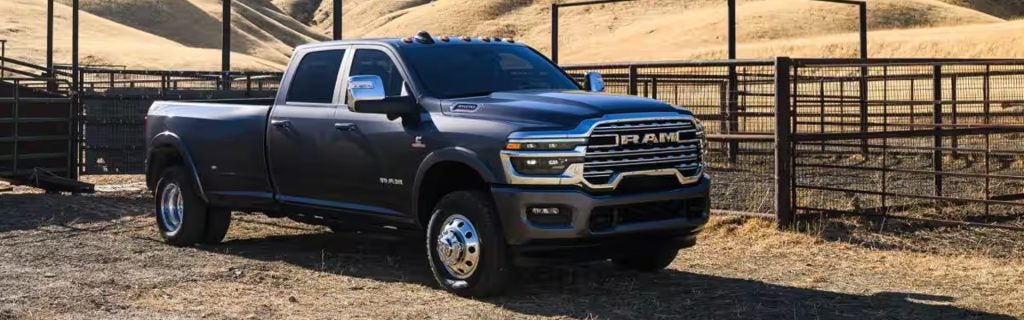
A dark gray RAM 3500 heavy-duty dually pickup truck parked next to a fenced corral on a ranch.

The Easiest Way to Keep Your Ram Truck Ready for Anything

A Ram truck is built with purpose. It may spend weekdays towing equipment, weekends hauling recreational gear, or thousands of miles crossing state lines. No matter how it's used, every Ram relies on the same thing: regular maintenance that catches small concerns before they become larger problems. That's where multi-point inspections come in. Often performed during routine service visits, these inspections provide a detailed snapshot of your truck's condition. They're one of the simplest ways to help protect performance, reliability, and long-term ownership value. More Than a Quick Walk Around A proper multi-point inspection goes far beyond checking fluid levels. Technicians evaluate many of the systems that influence how your Ram performs every day, including brakes, tires, suspension components, battery health, belts, hoses, filters, lighting, and key fluid conditions. The goal is straightforward: identify wear, deterioration, or developing concerns before they affect drivability or reliability. For trucks like the Ram 1500, Ram 2500, and Ram 3500, that extra attention can be particularly valuable. These vehicles are frequently asked to tow, haul, and work in demanding environments where components experience additional stress over time. Small Problems Rarely Stay Small One of the biggest advantages of routine inspections is timing. A brake pad nearing the end of its service life, a battery beginning to weaken, or a fluid seep that hasn't yet become a leak can often be addressed quickly when discovered early. Left alone, those same issues can lead to larger repairs, unexpected downtime, or reduced performance. That's why many experienced truck owners view inspections as an investment rather than an expense. A little preventative attention today often helps avoid more significant repairs later. Built for Hard Work, Designed to Last Ram trucks have earned a reputation for durability, but durability still benefits from routine oversight. The 2026 Ram lineup continues to deliver impressive capability across the board, from the everyday versatility of the Ram 1500 to the heavy-duty strength of the Ram 3500. Multi-point inspections help ensure those trucks continue operating at the level their owners expect. They also create an opportunity to establish a maintenance history, something that can support long-term vehicle value and ownership confidence. The Ideal Time to Schedule an Inspection Many drivers combine multi-point inspections with routine oil changes and factory-recommended maintenance visits. That approach creates a consistent record of vehicle health while minimizing additional trips to the dealership. Inspection intervals can become even more important for owners who tow frequently, carry heavy payloads, travel long distances, or operate in demanding conditions. Those uses place additional demands on brakes, suspension components, tires, and driveline systems. A regular inspection schedule helps ensure your truck remains prepared for the next job, trip, or adventure. Supporting Ram Owners Throughout Northwest Indiana Drivers in La Porte, Michigan City, Chesterton, Valparaiso, and surrounding Northwest Indiana communities depend on their trucks for a wide variety of tasks. From daily work responsibilities to weekend recreation, reliability is never something owners want to question. Routine inspections provide reassurance that your Ram is ready for whatever comes next while helping technicians identify developing concerns before they affect your plans. Give Your Ram the Attention It Deserves A multi-point inspection takes relatively little time, yet the information it provides can be invaluable. It's one of the smartest ways to stay ahead of maintenance, support long-term reliability, and keep your truck performing at a high level. The service team at La Porte CDJR serving La Porte, IN is ready to help keep your truck in peak condition. Schedule your next maintenance visit today and discover why regular inspections remain one of the most important services any Ram owner can choose.

Contact Us

Fill out this form below and we'll contact you shortly
*Required Fields